
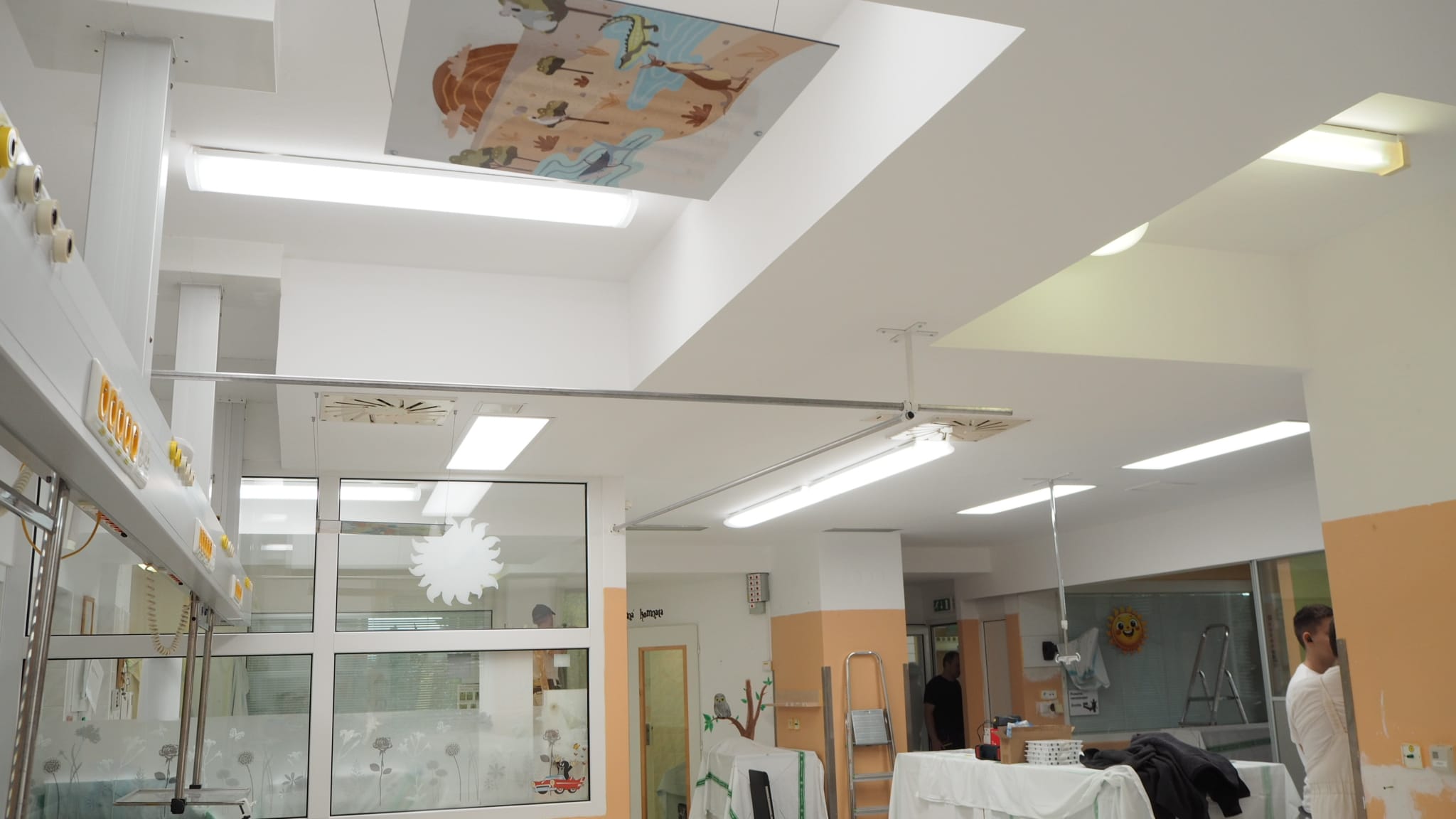
The intensive care unit is a place where the most important battle — the battle for life — takes place. For young patients, such an environment is particularly demanding, and therefore every change that supports recovery and makes the stay in the hospital environment more pleasant is immensely valuable. In 2025, the University Hospital Hradec Králové, with the help of the Archa Chantal Foundation, which has been helping to improve the environment of children’s wards throughout the Czech Republic for more than 30 years, and interior designer Petra Komjati, decided to create an environment for the pediatric ICU that supports treatment and patient comfort during a challenging stay.
“We know that a person’s psyche is very important, not only during the time of treatment. We have positive confirmation from doctors that the state of treatment is also dependent on the environment in which sick children are treated and recover. Therefore, the Foundation aims its more colorful humanization at improving the psyche of children in hospitals,” explains Lenka Šebelová, director of the Archa Chantal Foundation.
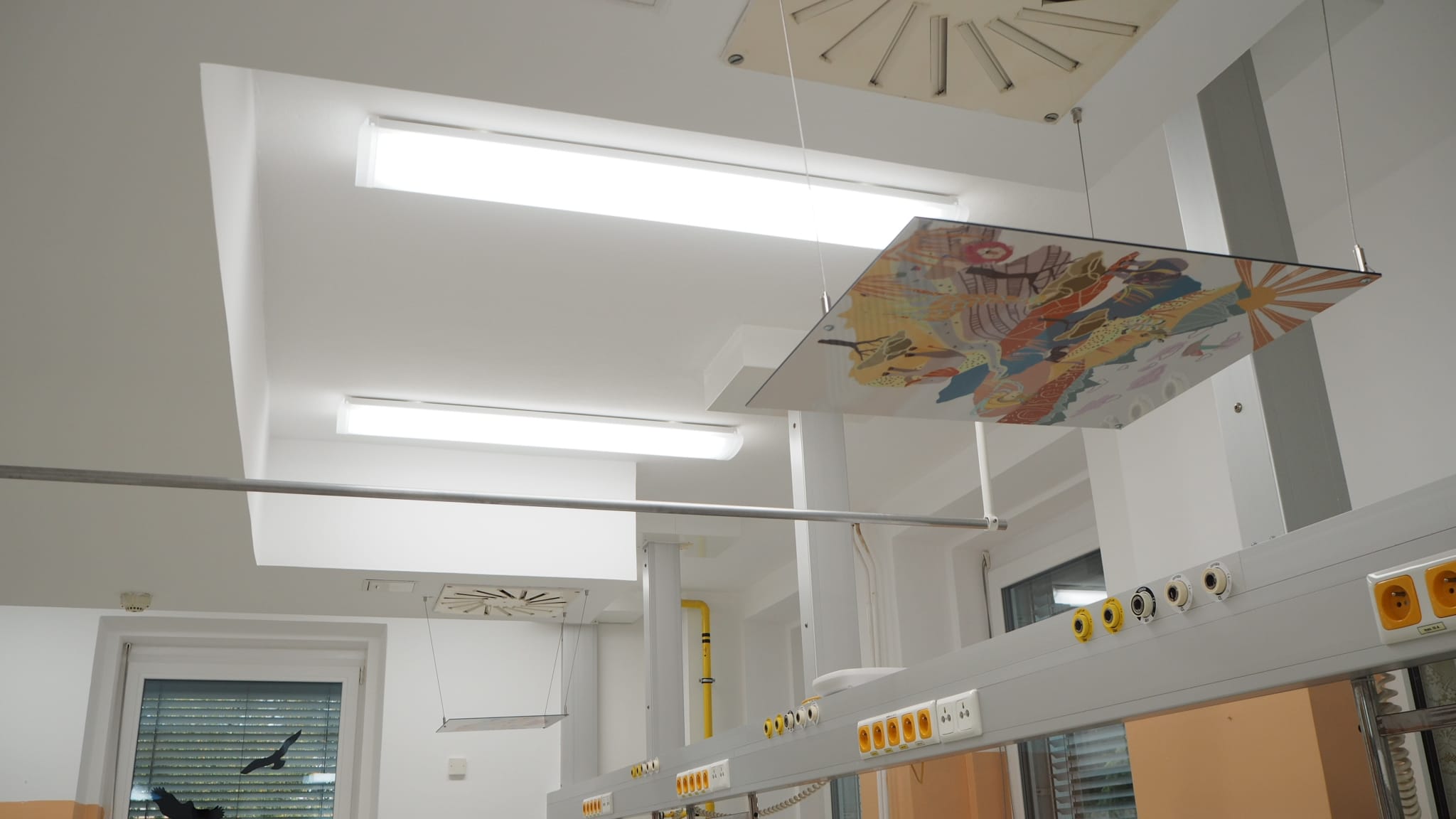
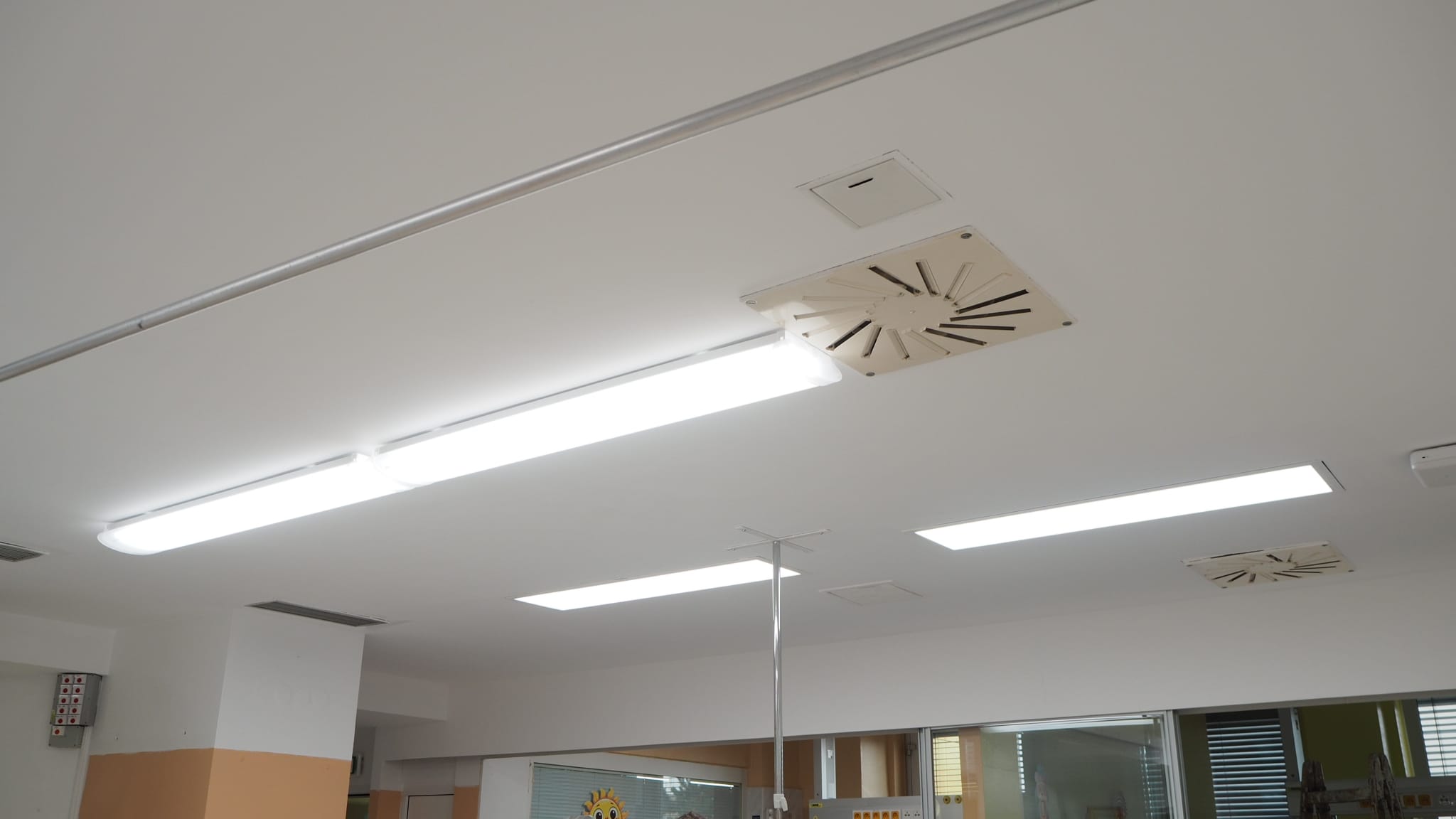
The goal was to remove unnatural and unpleasant light and replace it with technology that is as gentle as possible on the child’s organism. The environment felt very dark and enclosed, which had a negative impact not only on the comfort of the staff but also on the children’s psyche. The solution was Spectrasol procognitive full-spectrum lighting, which closely mimics daylight with its spectrum.
Correctly set lighting conditions in the ICU support doctors in their work and help children better cope with isolation from the outside world. At the same time, they reduce overall fatigue, eye strain, and support mental vitality.
“The department no longer feels dark and cramped, the lighting conditions are more balanced and natural. Staff repeatedly mention that the environment feels calmer and visually more comfortable during long shifts. In an environment where work is done under high pressure and where concentration is essential, the quality of light is an often underestimated but very important factor,” adds interior designer Petra Komjati.
The application of procognitive lighting shows that light is an active and important part of the healing process. It helps create an environment that supports not only physical recovery, but also the mental well-being of small patients and staff. At the same time, it confirms that even a seeming detail, such as the quality of light, can be of fundamental importance in a demanding hospital environment.
Read more about the project from the answers of interior designer Petra Komjati and the director of the Archa Chantal Foundation, Lenka Šebelová HERE.
Take a look at the photos from the installation:
Translated using AI