
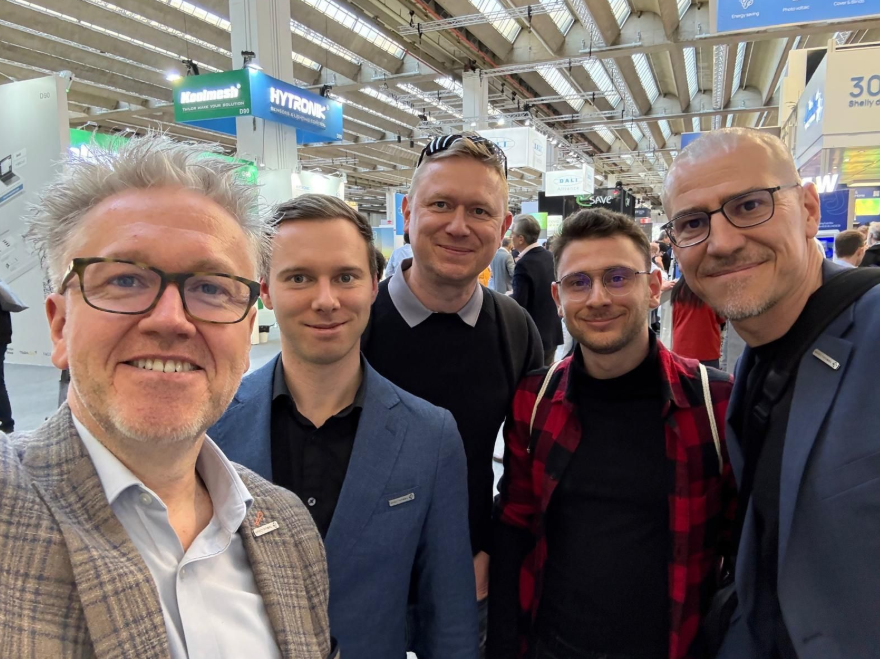
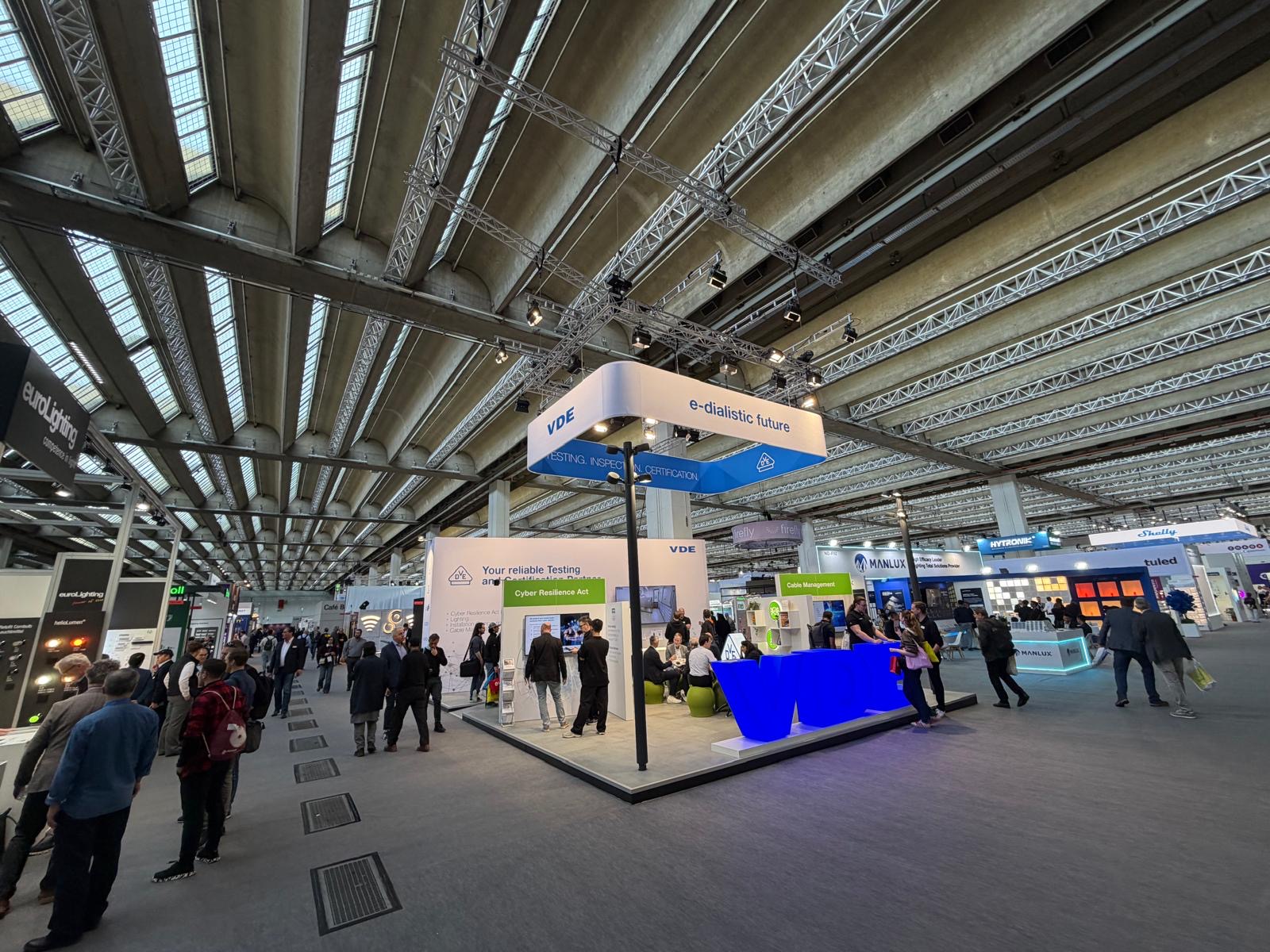
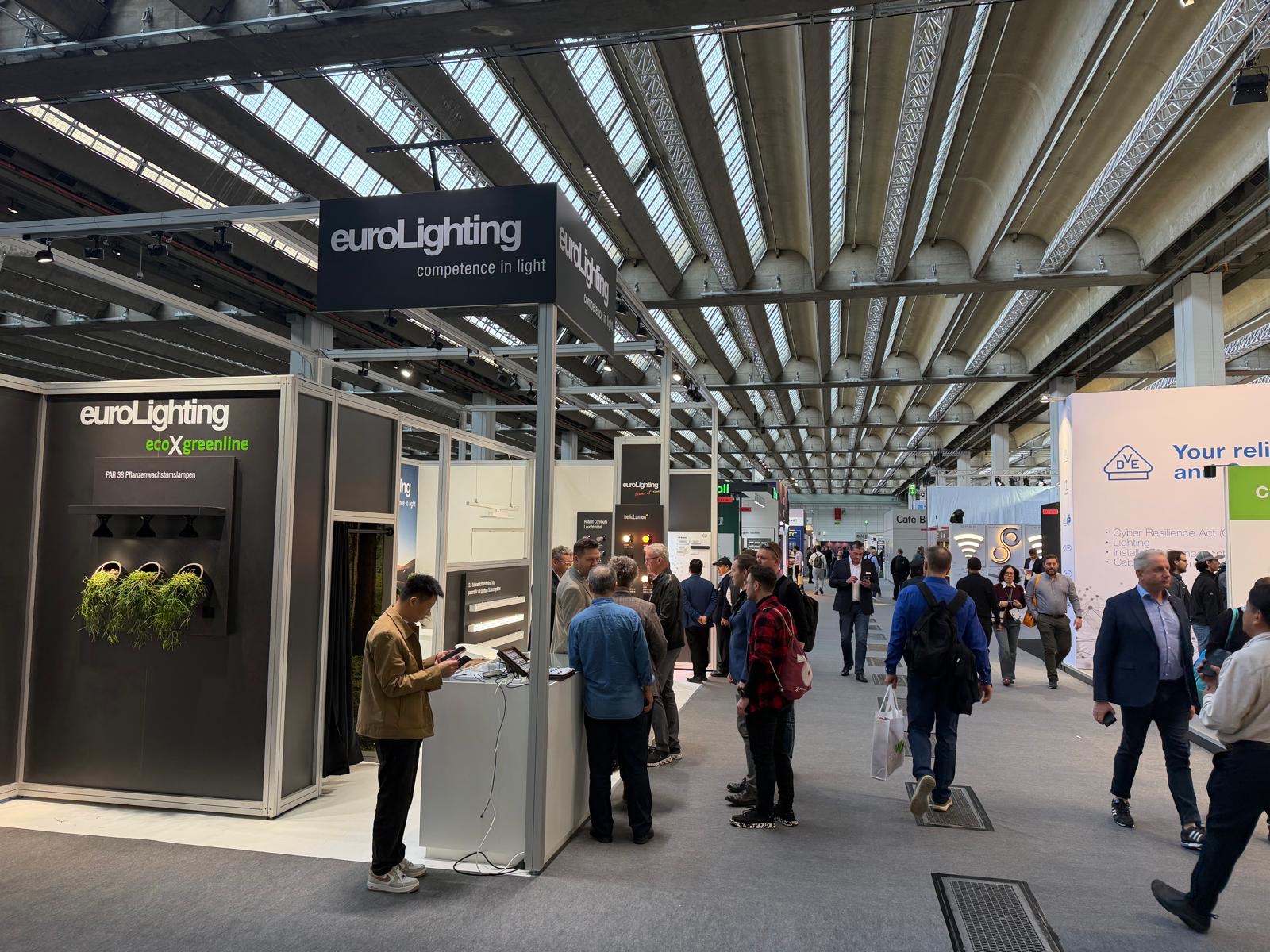
One of the most important global events focused on lighting and technologies for modern buildings, the Light + Building trade fair, showcases every two years where the entire industry is heading and which trends will influence architecture and indoor lighting environments in the coming years. This year’s edition was strongly shaped by topics such as smart lighting control, energy efficiency, and the integration of technologies in modern buildings.
The dominant trend was clearly the effort to bring artificial light closer to nature. Manufacturers are increasingly thinking about light not just as a tool that allows us to see, but as a biological component of the environment in which we live and work. This approach is reflected not only in lighting effects and light distribution, but also in the very character of the light itself.
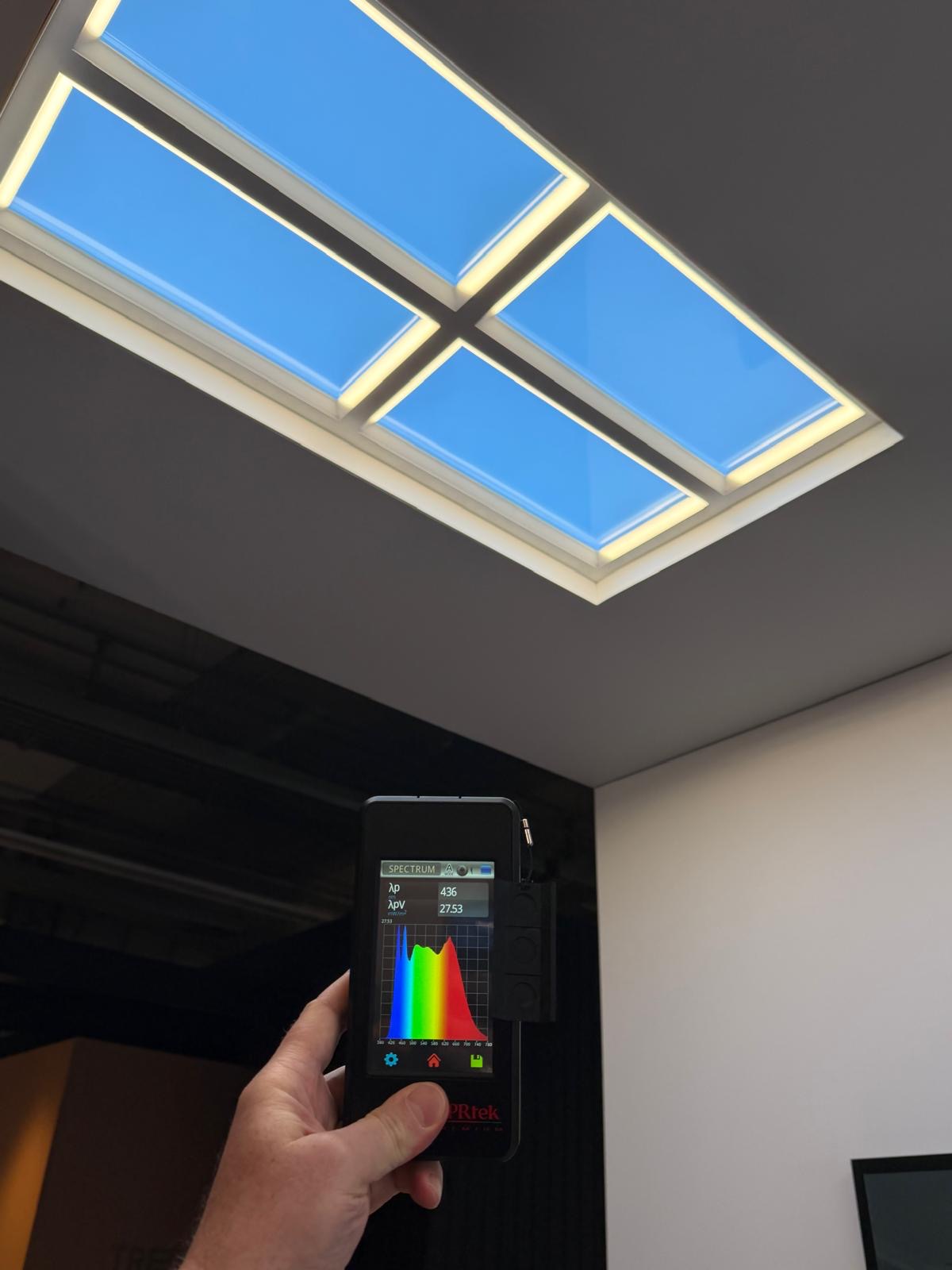
Many exhibitors presented solutions working with full-spectrum light or aiming to replicate the natural properties of light throughout the day, evening, and night. It was interesting to observe not only the approach of globally dominant manufacturers, but also smaller companies, which are now increasingly integrating full-spectrum light sources into their luminaires as a standard and demonstrating their practical impact on humans. For us at Spectrasol, it is encouraging to see that the direction we have been pursuing since 2018 is gaining broader recognition and has found a stable place within the growing industry consensus in both current and future lighting.
One of the most interesting solutions we saw at the fair was a realistic window simulation using LED technology. This system creates the illusion of real daylight and a view of the sky, giving interiors without windows the feeling of a natural outdoor environment. When observing these installations, it truly felt as if there were a window to nature above you—equipped, of course, with full-spectrum LED sources.
It is encouraging to see the entire industry gradually moving artificial light in a direction that better considers health, well-being, and the natural needs of the human body as a source of energy and vitality. Light is not just a functional attribute or an aesthetic element; it is an essential part of the environment in which we spend most of our time every day.
Watch a short video about what we took away from the trade fair:
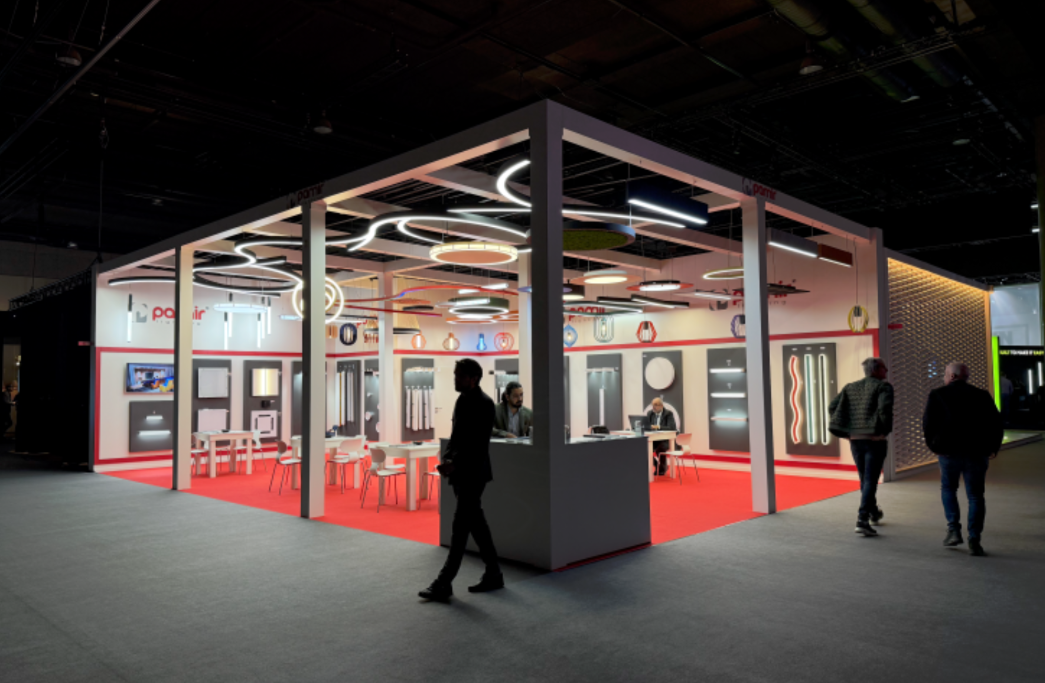
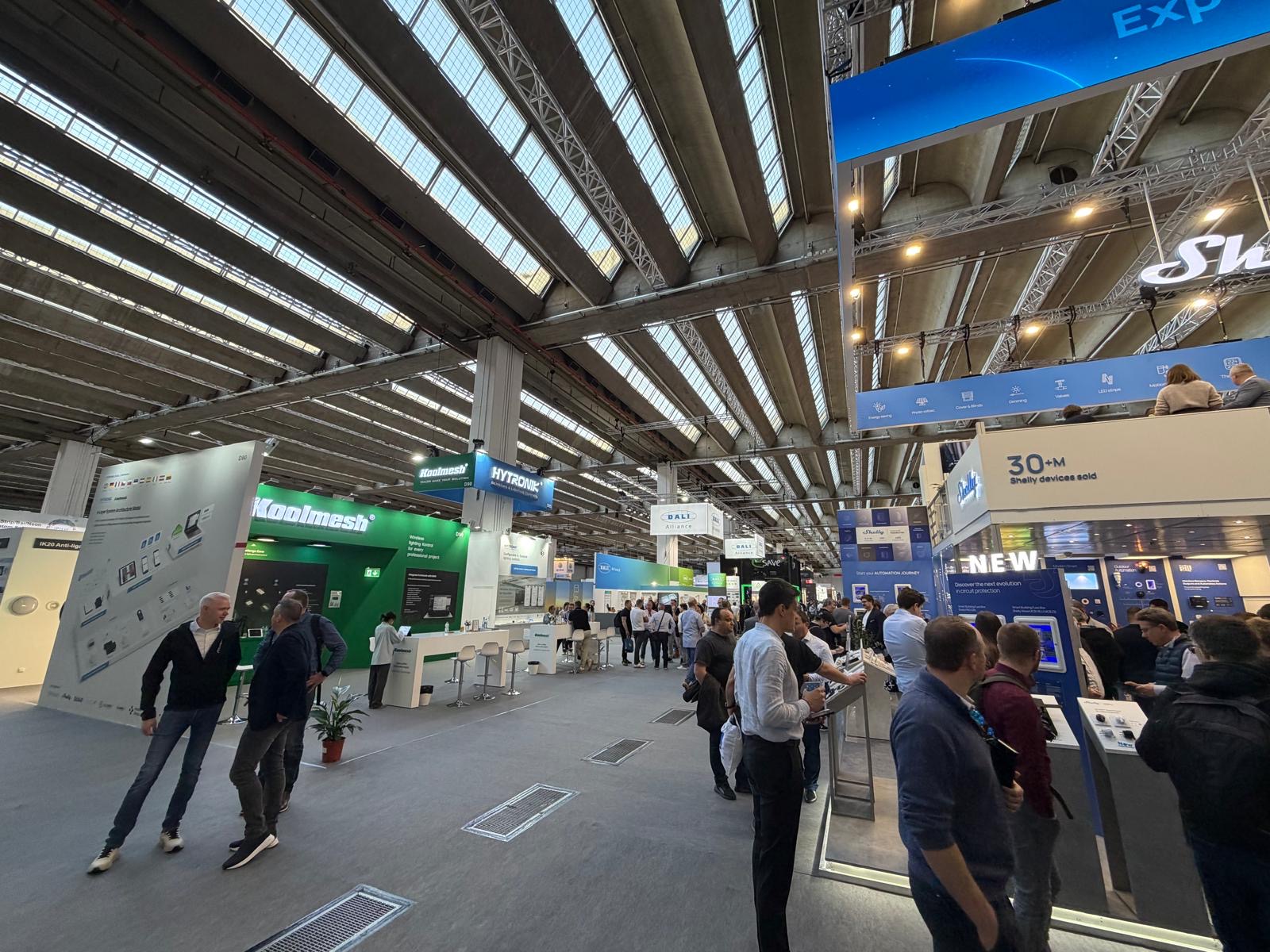
View photos from the conference here:
Translated using AI